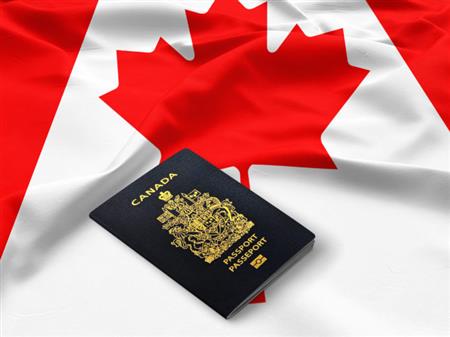
The Adventures in Citizenship program was established by the Rotary Club of Ottawa in 1951 with 150 high school students from across Canada. Students spend four days in Ottawa experiencing tours, lectures and discussions designed to enhance their understanding of and appreciation for the meaning of Canadian citizenship. This is an invocation which international education leader and consultant Avis Glaze, a Ladner Rotary member, delivered to the club to mark the occasion of hearing about this experience from the latest student sponsored by Ladner Rotary to attend this past Spring.
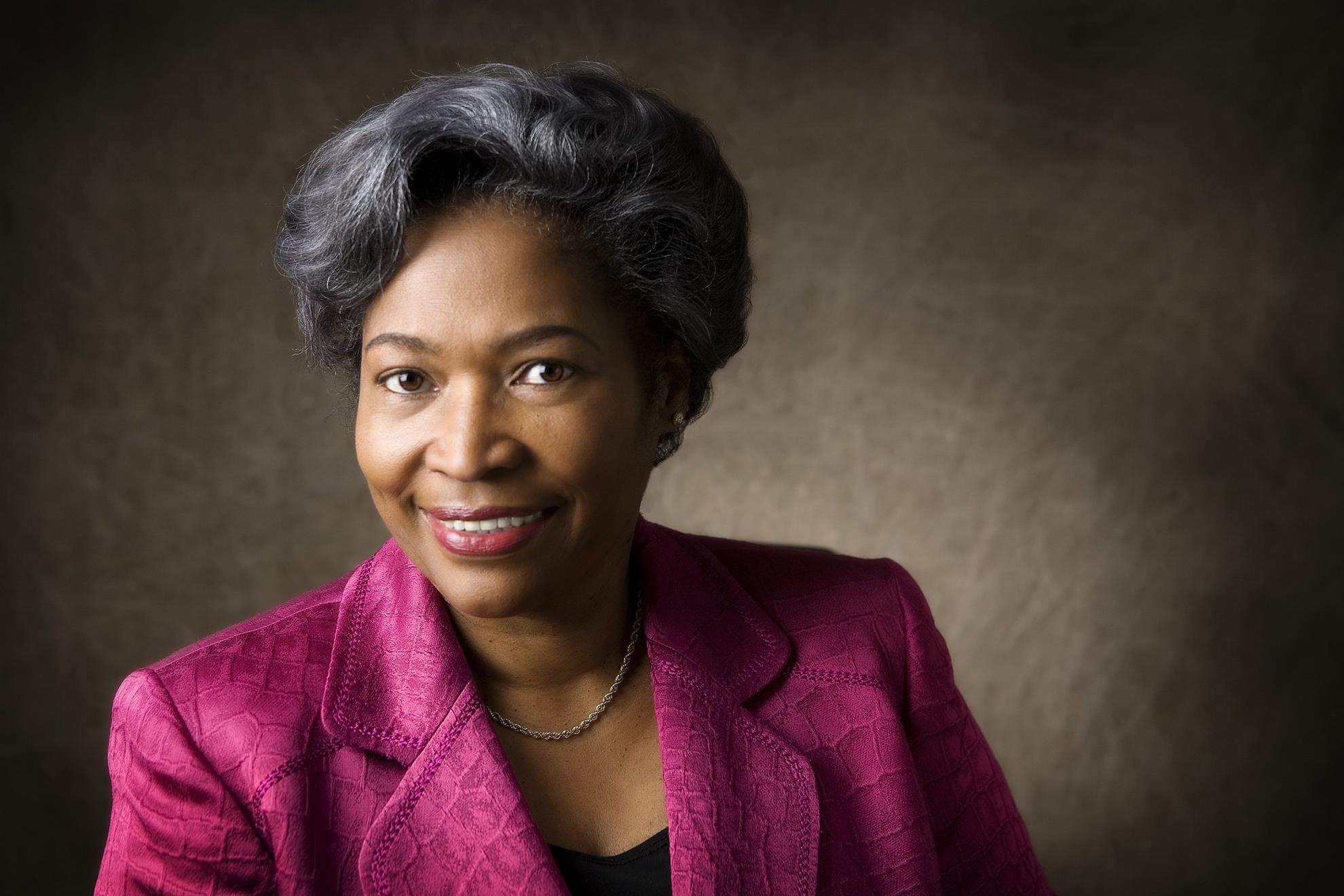
As Avis Glaze said in her invocation, “Today we are delighted to have with us, Paisley McGill, who was recently a participant in the Adventures in Citizenship Program. We do appreciate the mentoring, skill building and future leadership possibilities that this program has provided for many of our students.”
UNESCO states that education for citizenship, Avis said, cultivates engaged, informed and responsible members of society. It strengthens democratic processes by increasing voter turnout, fostering social cohesion, and developing essential cognitive skills like critical thinking and conflict resolution to tackle complex global challenges.
Critical and analytical skills are what I describe as life skills – especially in an era in which fake news, misinformation and disinformation are so prevalent.
Canada, one of the countries that allows dual citizenship, offers many benefits, privileges, and rights such as civic participation, security and peace of mind, global mobility and support, career and economic opportunities, family and generational benefits and symbolic and personal advantages.
The right to vote, eligibility to run for public office, access to government jobs, full legal and civic protections, participation in jury duty, simplified family sponsorship, and a sense of belonging, must not be taken for granted.
Rotary and many government organizations make citizenship development a priority because it helps to build robust, thriving, and interconnected communities by fostering the kind of civic responsibility aimed at improving citizenship engagement and prosperity. Citizenship development increases social cohesion, sustainable governance and strong and resilient democracies in which free and fair elections, the protection of human rights and the rule of law, prevail.
It meant so much to me when I received my Canadian citizenship in 1980, after spending 5 years as a Visa Student, at the University of Toronto. It was a significant milestone which offered unparalleled global mobility and the opportunity to contribute to nation building in one of the most inclusive and progressive countries in the world.
I therefore value my Canadian Citizenship. I do not take it for granted. I recognize fully the responsibilities and obligations that accompany this privilege.